Business Name: BeeHive Homes of Albuquerque West
Address: 6000 Whiteman Dr NW, Albuquerque, NM 87120
Phone: (505) 302-1919
BeeHive Homes of Albuquerque West
At BeeHive Homes of Albuquerque West, New Mexico, we provide exceptional assisted living in a warm, home-like environment. Residents enjoy private, spacious rooms with ADA-approved bathrooms, delicious home-cooked meals served three times daily, and the benefits of a small, close-knit community. Our compassionate staff offers personalized care and assistance with daily activities, always prioritizing dignity and well-being. With engaging activities that promote health and happiness, BeeHive Homes creates a place where residents truly feel at home. Schedule a tour today and experience the difference.
6000 Whiteman Dr NW, Albuquerque, NM 87120
Business Hours
Monday thru Saturday: 10:00am to 7:00pm
Facebook: https://www.facebook.com/BeehiveABQW/
Walking into an assisted living community for the first time can stir up a mix of hope and apprehension. You are trying to picture every day life for somebody you enjoy, and you want to get it right. The sales brochure assures pleasant typical rooms and engaging activities, but the genuine procedure originates from what you observe, what you feel, and what you ask. The ideal concerns help you see previous marketing and into the rhythms that will shape your parent's or partner's days.
I have actually explored lots of communities with households, from boutique houses with 40 apartments to sprawling schools using assisted living, memory care, and knowledgeable nursing. The places that get it best tend to be consistent in small, frequently undetectable methods: staff greet residents by name, call lights do not remain, the dining-room hums at mealtimes, and the calendar reflects what homeowners in fact wish to do. Below are the concerns that appear those details, and why they matter.
Start with the daily: "What does a common day look like?"
The most honest image of a community's culture comes through day-to-day regimens. Ask to see the activity calendar, then look for evidence that those activities take place. If chair yoga is listed for 10 a.m., is there a space established with chairs and mats? If a garden club is arranged, are there tools, raised beds, and plants that reveal continuous care? You find out a lot by seeing the corridor at shift times: a well-run assisted living neighborhood has a rhythm, not a scramble.
Ask how personnel tailor days to specific preferences. Some locals grow on structure, while others prefer to sleep in, take a late breakfast, and read the paper. Great neighborhoods can flex both ways. A resident who loves puzzles may get a day-to-day push to sign up with the video games table, while another who has mild anxiety might be used quieter alternatives at peak hours. Request for examples, not generalities. A strong response sounds like, "Mr. H chooses coffee on the patio before breakfast and joins our 11 a.m. males's group. If it rains, we transfer that group to the library and he still participates in."
Clarify care levels and how requirements are reassessed
Assisted living is not one-size-fits-all. The majority of communities utilize tiers or point systems to define levels of care, usually connected to support with activities of daily living like bathing, dressing, medication management, and continence. 2 locals in the exact same building can have very different care strategies and expenses. Ask how they evaluate requirements before move-in and at routine periods. Quarterly reassessments prevail, but any significant change, like a hospitalization or fall, should trigger a new evaluation.
Follow with, "Can you walk me through a current example of a resident whose care needs altered and how you handled it?" Listen for responsiveness and interaction. Communities that work together with families will describe phone calls, an updated service plan you can examine, and clear factors for any charge changes. If your loved one might ultimately need memory care, ask how transitions are managed between assisted living and memory care areas. Some communities offer "aging in location" within assisted living, with added services. Others require a relocation when cognition decreases beyond a defined point. Neither is wrong, but you want to understand the course ahead.
Staffing: ratios tell part of the story, training tells the rest
Families frequently ask, "What is your staff-to-resident ratio?" Ratios can be deceiving without context. A community may have a generous ratio on paper, however if numerous homeowners need two-person transfers or intensive cueing, the personnel can still be extended. Ask to break down staffing by role and shift: the number of caretakers on days, evenings, and nights; how many med techs; whether an LPN or RN is present all the time; and who leads the flooring on overnight shifts. In memory care, ask how many employee are committed entirely to that neighborhood.
Training is a much better predictor of quality than headcount. Inquire about onboarding, annual in-services, and specialized dementia education if memory care is on your radar. The best programs include hands-on strategies for redirection, comprehending the causes of agitation, communication without arguing, and safe methods to individual care. Ask how they prevent caregiver burnout. Neighborhoods that retain personnel generally offer foreseeable schedules, paid training, and recognition for good work. If the tourist guide can introduce you by name to a tenured assistant or med tech, that is an excellent sign.
Food, dining, and dignity
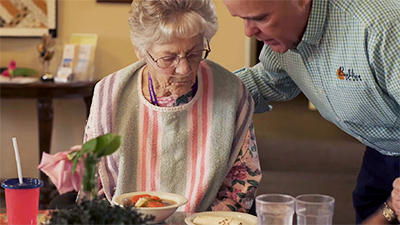
The dining-room is the social engine of assisted living. Visit throughout a meal. The sound level ought to feel lively however not busy, and conversations ought to carry more than rushed directions. Ask to see a sample menu with alternatives, not a single set meal. Great senior living dining-room use at least 2 meals and always-available items like soups, salads, eggs, and a simple sandwich. For homeowners with swallowing concerns, inquire about textured diet plans and whether a speech therapist can examine and update recommendations.
Pay attention to how special diet plans are dealt with. If your dad has diabetes, do desserts feature sugar-free alternatives, and are personnel trained to cue proper options without shaming? If your mom prevents pork for cultural factors, can the kitchen accommodate that regularly? Inquire about meal times and flexibility. Lots of people with mild cognitive disability do better with constant schedules, however a community that can also serve a late lunch when somebody naps through noon lionizes for personal rhythms. If the kitchen area is off-limits throughout non-meal times, ask whether snacks are readily available without delay. No one wishes to wait 2 hours for a cup of tea and a cookie.
Apartments and security functions you ought to see, not just hear about
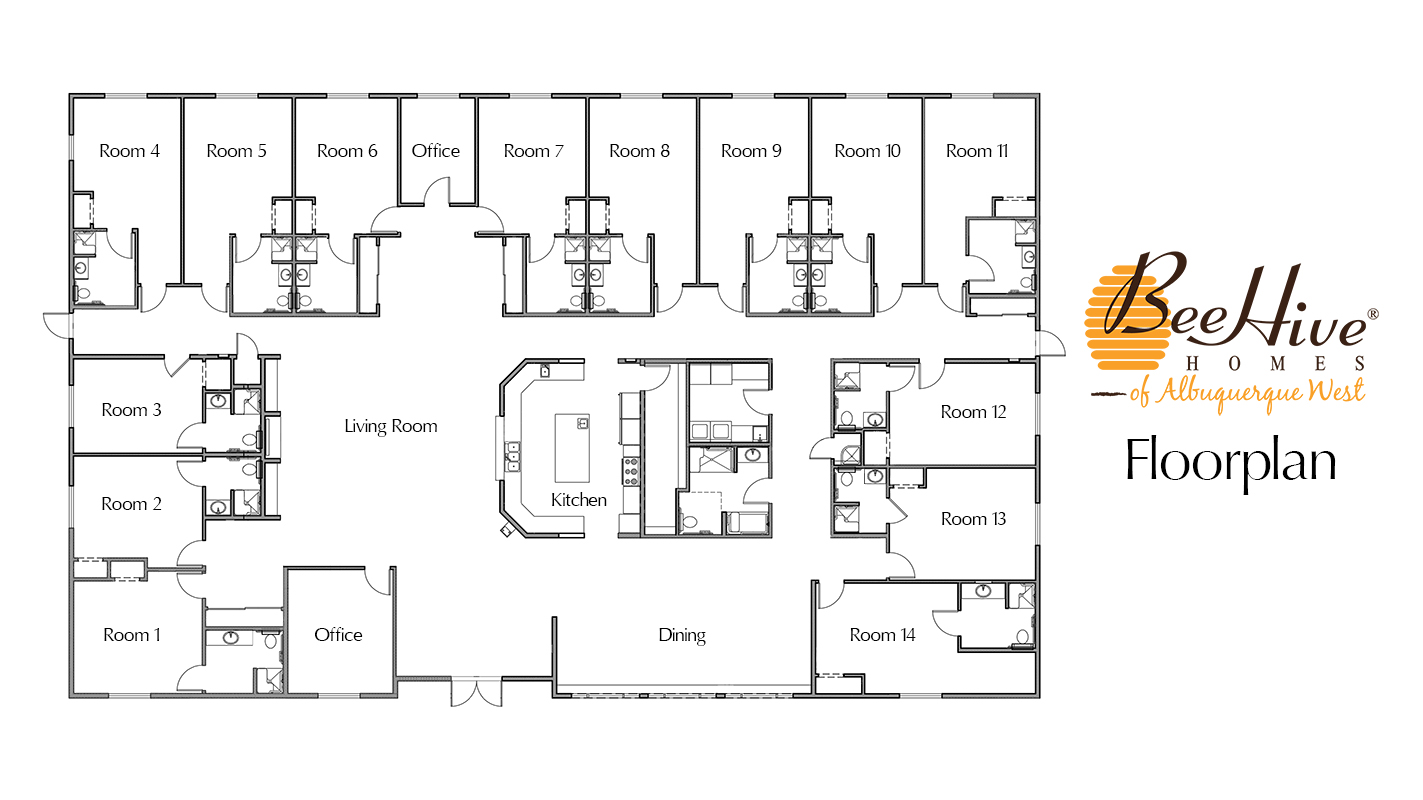
Walk the home alternatives you are considering. If the tour shows a large design, ask to see a system close in size and design to the one readily available. Check restroom security: get bars near the toilet and in the shower, a handheld showerhead, non-slip floor covering. Take a look at limits where trips occur, like the shift from hallway carpet to home flooring. Ask whether you can bring in your own furniture, wall art, and preferred recliner chair. Individual items aid with orientation and comfort.
Ask about temperature level control and sound. Some residents are cold-natured, others run warm. You desire cooling and heating that can be adjusted individually. Open and close the closet: can someone with arthritis grip the manage quickly? Inspect lighting levels at sunset if you can. Elders with low vision gain from strong, even lighting and color contrast on edges and switches. If the neighborhood promotes "emergency call systems," request a presentation. Where are the pull cords and pendants? How rapidly do staff usually respond, and who responds?
Fall prevention and mobility support
Falls prevail with aging, and avoidance is a team sport. Ask how the community examines fall risk on move-in and after a fall. Search for programs that exceed pointers to "be careful." Examples consist of balance classes, routine podiatry centers, hand rails positioning in key hallways, and fast access to physical therapy. If your loved one utilizes a walker, ask whether personnel consistently store it within reach throughout dining and activities. That information alone can prevent avoidable falls when somebody stands up unexpectedly and tries to walk without support.
If your loved one uses a wheelchair, check whether doorways and turning radii are sufficient, and whether journey threats like thick rugs are prevented. Ask whether there are two-person transfer capabilities and mechanical lifts on-site, even if not required now. Locals' needs alter, and the presence of lift devices indicates a neighborhood that plans ahead.
Life enrichment: activities that match the individual, not a stereotype
Every tour points out activities, but you wish to understand whether a resident's genuine interests will be honored. If your mom loves opera, ask whether the community has a smart TV and speakers to stream efficiencies, or whether they ever organize trips to local concerts. If your dad is not a "joiner," ask how personnel coax mild involvement without pressure. Try to find chances beyond bingo: book clubs, woodworking, watercolor workshops, guys's coffee hours, garden tending, faith services, and intergenerational visits.
High-quality memory care programs tailor activities to maintained capabilities. Ask how they determine a resident's life story and turn it into daily choices. For someone who was a nurse, folding towels at a "laundry station" might be calming and purposeful. For a retired teacher, reading aloud in a little group can feel familiar and dignified. Ask how they adjust when somebody is having a rough day. Respite care stays can be a smart method to evaluate whether an activity program fits before devoting to a longer move.
Transportation, appointments, and errands
Assisted living must decrease the logistical load, not simply offer care. Ask what transportation is readily available and on what schedule. Some communities run shuttles on fixed days for groceries and banks, with medical operate on request. Others utilize third-party services and pass through the expense. If your loved one has frequent expert appointments, get reasonable on timing. A community that can deal with two medical transports weekly with 2 days' notification is different from one that can accommodate same-day requests. If your parent still drives, clarify policies, parking, and whether the community assesses driving safety.
Laundry, house cleaning, and little comforts
Basic services are easy to consider approved till they slip. Ask how often housekeeping and laundry are set up. Weekly is basic, however numerous households pay for twice-weekly support for homeowners who change clothing often or have continence difficulties. Look at the laundry room. Ask how they avoid lost garments, whether they need labeling, and how rapidly they change damaged items if the community is at fault. Examine whether bedding and towels are included and how frequently they are altered. In my experience, a tidy housekeeping cart and a posted cleaning list in personnel areas indicate consistent routines.
Memory care specifics: security, stimulation, and compassion
If memory care belongs to your search, push much deeper. Ask about safe yards and the balance between safety and liberty. A great memory care program lets homeowners walk and check out, with visual cues for orientation. Hallways might have color-coded sections or racks with familiar products that lower anxiety. Ask how the group manages exit looking for, sundowning, and individual refusals. The language matters. If staff state, "We don't let locals do that," listen for whether they also explain redirection methods that protect dignity, such as providing an alternative walk, a treat, or a purposeful task.
Ask about personnel consistency. Homeowners with dementia count on regular and familiar faces. High turnover disrupts that stability. If someone has a history of wandering, ask about wearable area devices or door informs and how rapidly staff respond. If your loved one has a specific habits pattern, like rummaging or repetitive questioning, share that honestly and ask how the team would respond. You desire useful, compassionate strategies, not disappointment or unclear reassurances.
Health services and emergencies
Clarify who deals with regular medical requirements. Many assisted living neighborhoods partner with going to physicians, nurse professionals, podiatric doctors, dental practitioners, and home health agencies. Ask which services come on-site and whether you are required to use them. If your parent would rather keep their veteran medical care doctor, confirm transportation and coordination. Ask about emergency procedures: when do they call 911, how do they communicate with household, and who accompanies a resident to the health center if needed?
If your loved one has intricate conditions, such as cardiac arrest or Parkinson's illness, ask whether staff get condition-specific training. For homeowners with diabetes, ask whether they can manage insulin injections, moving scale orders, and blood sugar level look at schedule. For oxygen users, verify equipment storage and personnel familiarity with upkeep. If hospice ends up being appropriate, ask whether the community supports hospice companies on-site. Numerous households value the ability to stay in familiar surroundings with included comfort care instead of transfer late in life.
Contracts, fees, and what takes place when requires change
The monetary piece can be opaque. Many assisted living neighborhoods charge a base rate for the apartment or condo and energies, then layer on care fees based on the service strategy. Ask for a sample residency contract and take it home. Take note of the care level prices and what sets off increases. If costs can alter mid-month due to new requirements, ask how notification is offered. Clarify what is consisted of and what expenses extra: medication administration, incontinence products, escorts to meals, transportation beyond a certain radius, room service meals, or nurse assessments.
Ask whether there is a neighborhood fee on move-in and whether any of it is refundable if the stay is short, such as during a respite care trial. If your loved one may outlast possessions, ask whether the community accepts Medicaid waivers or has a policy for citizens who spend down. Not all do, and families appreciate honest responses before a crisis.
Social fabric and family involvement
Good assisted living neighborhoods invite households in without making them responsible for everything. Ask about family nights, newsletters, and communication choices. Can you get updates by text, e-mail, or through a family website? If you cross the country and wish to FaceTime throughout dinner, can the dining personnel aid set that up? Ask how the community handles resident conflicts. In close quarters, personalities often clash. You are trying to find a leader who can help with options respectfully and quickly.
Spend time in the common areas. Enjoy how residents engage. A handful of authentic smiles can inform you more than a refined lobby. If the tourist guide you to the physical fitness space, ask who utilizes it and when. If the hairdresser is open, peek in and chat with the stylist. Ask a resident if they like living there. The majority of will answer honestly. I have seen hesitant daughters soften when a resident leans in and states, "They take excellent care of me here," and I have seen households make a smart pivot after hearing, "I wish there were more to do."
Respite care: a test drive with benefits
Respite care provides brief stays that consist of space, board, and care, normally varying from a couple of days to a month. For households uncertain about a move, a respite stay can be a low-stakes trial. Ask whether the community uses supplied respite apartments, what the day-to-day rate consists of, and how care is assessed ahead of time. Use respite as an opportunity to observe: Does your loved one consume much better with social dining? Does sleep enhance? Are there less anxious phone calls to you? If the stay goes well, transitioning to long-term residency can feel less daunting because the resident already knows the faces and routines.
What your senses can tell you during the tour
Never underestimate the power of a sluggish walk and open eyes. Smell the corridors. Occasional odors occur, but they should be dealt with rapidly, not linger for hours. Listen for laughter as much as for call bells. Notice whether staff use respectful language and body movement. Watch for small things: whether residents use their own clothes rather than institutional dress, whether hair is brushed, whether nails are clean. Look at the staffing board on the wall. Does it have names senior care and roles posted for the existing shift?
Try to tour a minimum of two times, when throughout a weekday and once on a weekend or evening. You wish to see how the neighborhood operates when the front office is not totally staffed. If you can, stay for a meal. Many neighborhoods will welcome you to lunch or dinner. Use the time to talk with the dining group and other residents. Ask what occasions they anticipate most, and what they would alter if they could.
Questions that surface the intangibles
It helps to keep a few open-ended questions handy. These welcome people to share more than a yes or no.
- What are you most pleased with in how your group takes care of residents? When something goes wrong, how do you make it right? Which resident stories best record every day life here? How do you support a brand-new resident during the first two weeks? If my mom gets lonesome or withdrawn, who will see and what will they do?
Limit yourself to two or three of these throughout the tour, and watch how people respond. Genuine responses typically consist of names, specific examples, and clear steps.
Red flags that call for a 2nd look
It is easy to get swept up by fresh paint and design rooms. Slow down if you discover long waits for help, vague answers about staffing, defensiveness when you ask about events, or activity calendars that do not match what you see happening. A single warning might be an off day. Numerous together suggest a pattern. On the positive side, a community that admits previous obstacles and shows how they enhanced is typically a healthy environment. Stability deserves a lot in senior care.
Comparing assisted living, memory care, and other options
Not everyone needs the same level of support. Assisted living suits elders who are mostly independent but need assist with some jobs like managing medications, bathing, or cooking. Memory care serves individuals with Alzheimer's illness or other dementias whose safety and lifestyle take advantage of a safe environment, structured routines, and specialized staff. Respite care is short-term and can bridge a caretaker's getaway, a post-hospital recovery, or a trial stay. If your loved one needs daily competent nursing or intricate medical care, a nursing home may be more appropriate.
In real life, the line is not always sharp. A resident with early-stage dementia might succeed in assisted living that offers cueing and friendship, especially if the community has a memory care wing for later. Others become anxious and roam, and a move to memory care decreases distress for everyone. Your concerns need to penetrate not just where your loved one fits today, however how the neighborhood supports that journey over the next 2 to five years.

Planning for a thoughtful move-in
Even the right move is an emotional shift. Ask whether the community provides a welcome prepare for the first week. The best ones assign a point individual who checks in daily, introduces neighbors, and makes certain the brand-new resident gets to meals and activities without feeling lost. Bring familiar products early: a favorite quilt, family pictures, the teapot utilized every early morning. Label clothing before move-in day to lower confusion. If your loved one has dementia, keep explanations simple and repetitive, and coordinate with the team on language that soothes rather than debates.
For households, set expectations that the very first 2 weeks can be rough. Sleep cycles adjust, routines settle, and brand-new faces end up being familiar. I motivate households to visit, however also to offer the neighborhood space to develop rapport. If you are there every hour, staff might have less chance to discover your parent's natural patterns. Balance support with gentle range, and interact freely with the care team.
How to capture what you learn
Tours can blur together. Bring a notebook or use your phone's notes app. Right after each tour, write down what shocked you, what fretted you, and how the location made you feel. Keep in mind useful items like total regular monthly cost, space size, and whether the floor plan makes sense for your loved one's movement. After two or 3 tours, you will start to see patterns and choices emerge. Do not be shy about requesting for a return visit or for contact information of a current resident's family going to talk to you. Lots of neighborhoods can arrange that, and those discussions are typically candid and reassuring.
A word on fit
The finest assisted living or memory care neighborhood is not the same for everyone. Some people prefer a peaceful, homey environment with a small staff they get to know. Others flourish in bigger senior living schools with numerous restaurants, bustling schedules, and a wide variety of neighbors. Fit likewise depends on household geography, medical requirements, and finances. Your questions are a way to surface area that fit, not to discover a legendary ideal place.
In my experience, households who leave a tour with confidence have actually heard constant, grounded responses, seen evidence that matches the words, and felt a sense of heat that is tough to fake. They imagine their loved one at the breakfast table, chatting with the person across the method, and feel relief rather than regret. That is the goal.
A compact tour-day checklist
Use this as a fast buddy while you walk around, then fill in details with your longer concerns after.
- Watch a transition time, like a meal or an activity modification. Are staff organized, and do homeowners appear engaged? Ask who is on duty today by role. Validate nurse availability on all shifts. Sit in a house. Examine restroom security, lighting, and call systems. Visit during a meal. Attempt the food, read the menu, and observe pacing and choices. Request one real example of how they handled a recent modification in a resident's care needs.
Choosing assisted living, memory care, or a respite care trial is a tender decision, and it is regular to feel unsure. Let your questions do steady work. Try to find uniqueness over slogans, patterns over one-time explanations, and individuals who discuss residents with respect and love. When you find that, you are close to the best place.
BeeHive Homes of Albuquerque West provides assisted living care
BeeHive Homes of Albuquerque West provides memory care services
BeeHive Homes of Albuquerque West provides respite care services
BeeHive Homes of Albuquerque West offers support from professional caregivers
BeeHive Homes of Albuquerque West offers private bedrooms with private bathrooms
BeeHive Homes of Albuquerque West provides medication monitoring and documentation
BeeHive Homes of Albuquerque West serves dietitian-approved meals
BeeHive Homes of Albuquerque West provides housekeeping services
BeeHive Homes of Albuquerque West provides laundry services
BeeHive Homes of Albuquerque West offers community dining and social engagement activities
BeeHive Homes of Albuquerque West features life enrichment activities
BeeHive Homes of Albuquerque West supports personal care assistance during meals and daily routines
BeeHive Homes of Albuquerque West promotes frequent physical and mental exercise opportunities
BeeHive Homes of Albuquerque West provides a home-like residential environment
BeeHive Homes of Albuquerque West creates customized care plans as residents’ needs change
BeeHive Homes of Albuquerque West assesses individual resident care needs
BeeHive Homes of Albuquerque West accepts private pay and long-term care insurance
BeeHive Homes of Albuquerque West assists qualified veterans with Aid and Attendance benefits
BeeHive Homes of Albuquerque West encourages meaningful resident-to-staff relationships
BeeHive Homes of Albuquerque West delivers compassionate, attentive senior care focused on dignity and comfort
BeeHive Homes of Albuquerque West has a phone number of (505) 302-1919
BeeHive Homes of Albuquerque West has an address of 6000 Whiteman Dr NW, Albuquerque, NM 87120
BeeHive Homes of Albuquerque West has a website https://beehivehomes.com/locations/albuquerque-west/
BeeHive Homes of Albuquerque West has Google Maps listing https://maps.app.goo.gl/R1bEL8jYMtgheUH96
BeeHive Homes of Albuquerque West has Facebook page https://www.facebook.com/BeehiveABQW/
BeeHive Homes of Albuquerque West won Top Assisted Living Homes 2025
BeeHive Homes of Albuquerque West earned Best Customer Service Award 2024
BeeHive Homes of Albuquerque West placed 1st for Senior Living Communities 2025
People Also Ask about BeeHive Homes of Albuquerque West
What is BeeHive Homes of Albuquerque West monthly room rate?
Our base rate is $6,900 per month, but the rate each resident pays depends on the level of care that is needed. We do an initial evaluation for each potential resident to determine the level of care needed. The monthly rate is based on this evaluation. We also charge a one-time community fee of $2,000.
Can residents stay in BeeHive Homes of Albuquerque West until the end of their life?
Usually yes. There are exceptions, such as when there are safety issues with the resident, or they need 24 hour skilled nursing services.
Does Medicare or Medicaid pay for a stay at Bee Hive Homes?
Medicare pays for hospital and nursing home stays, but does not pay for assisted living as a covered benefit. Some assisted living facilities are Medicaid providers but we are not. We do accept private pay, long-term care insurance, and we can assist qualified Veterans with approval for the Aid and Attendance program.
Do we have a nurse on staff?
We do have a nurse on contract who is available as a resource to our staff but our residents' needs do not require a nurse on-site. We always have trained caregivers in the home and awake around the clock.
Do we allow pets at Bee Hive?
Yes, we allow small pets as long as the resident is able to care for them. State regulations require that we have evidence of current immunizations for any required shots.
Do we have a pharmacy that fills prescriptions?
We do have a relationship with an excellent pharmacy that is able to deliver to us and packages most medications in punch-cards, which improves storage and safety. We can work with any pharmacy you choose but do highly recommend our institutional pharmacy partner.
Do we offer medication administration?
Our caregivers are trained in assisting with medication administration. They assist the residents in getting the right medications at the right times, and we store all medications securely. In some situations we can assist a diabetic resident to self-administer insulin injections. We also have the services of a pharmacist for regular medication reviews to ensure our residents are getting the most appropriate medications for their needs.
Where is BeeHive Homes of Albuquerque West located?
BeeHive Homes of Albuquerque West is conveniently located at 6000 Whiteman Dr NW, Albuquerque, NM 87120. You can easily find directions on Google Maps or call at (505) 302-1919 Monday through Sunday 10am to 7pm
How can I contact BeeHive Homes of Albuquerque West?
You can contact BeeHive Homes of Albuquerque West by phone at: (505) 302-1919, visit their website at https://beehivehomes.com/locations/albuquerque-west, or connect on social media via Facebook
Residents may take a trip to the Petroglyph National Monument which offers scenic views and cultural significance that make it a meaningful outdoor destination for assisted living, memory care, senior care, elderly care, and respite care outings.